

Creative_textiles_and_https_pacificspin-canada_ca_empower_your_unique_fibre_art
- Creative textiles and https://pacificspin-canada.ca empower your unique fibre art projects easily
- Exploring the World of Natural Fibres
- The Impact of Fibre Origin on Quality
- Tools & Equipment for Fibre Artists
- Techniques & Projects for Fibre Art Exploration
- The Growing Popularity of Natural Dyeing
- Expanding Horizons: Fibre Art Beyond Tradition
Creative textiles and https://pacificspin-canada.ca empower your unique fibre art projects easily
The world of fibre arts is experiencing a vibrant resurgence, fuelled by a desire for handmade goods and unique artistic expression. From knitting and crochet to weaving and spinning, individuals are increasingly turning to these crafts for relaxation, creativity, and a connection to tradition. Central to unlocking these artistic avenues is access to high-quality materials and inspiring resources, and that’s where companies like https://pacificspin-canada.ca come into play. They provide a vital link between fibre artists and the tools they need to bring their visions to life.
Beyond simply supplying materials, providers like Pacific Spin Canada foster a community. They understand the nuances of different fibres, the importance of colour palettes, and the technical challenges involved in various fibre art projects. They act as a source of knowledge, offering guidance and support to both beginners and experienced artisans. This holistic approach, combining product accessibility with expert advice, is what truly empowers fibre artists to explore their creativity without limitations.
Exploring the World of Natural Fibres
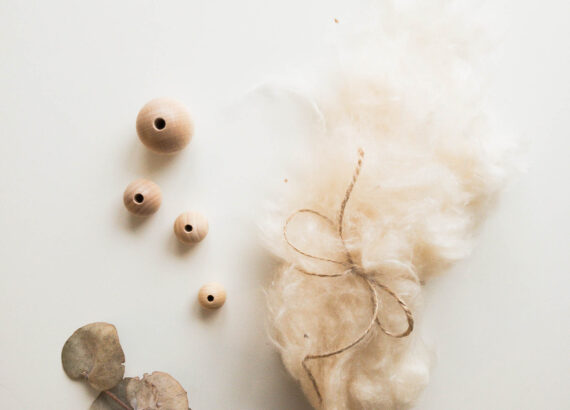
The foundation of any fibre art project lies in the quality and variety of the fibres used. Natural fibres, such as wool, cotton, silk, and linen, each possess unique characteristics that influence the final texture, drape, and durability of the finished piece. Wool, for instance, is renowned for its warmth, elasticity, and ability to take dye beautifully, making it a favourite for knitters and weavers. Cotton, on the other hand, is prized for its breathability, softness, and affordability, ideal for summer garments and home décor. Silk, a luxurious option, offers a beautiful sheen and a delicate drape, lending elegance to any project. Linen, known for its strength and coolness, is frequently used for woven fabrics like tablecloths and clothing suitable for warmer climates. Understanding these characteristics is crucial for selecting the right fibre for a specific project, ensuring both aesthetic appeal and functional performance.
However, the sourcing and processing of natural fibres are becoming increasingly important considerations for environmentally conscious artists. Ethical concerns surrounding animal welfare and sustainable farming practices are driving demand for responsibly sourced materials. Many fibre artists are seeking out locally grown fibres, supporting regional economies and reducing their carbon footprint. The rise of small-scale farms and producers dedicated to sustainable fibre production is a positive trend, offering artists greater transparency and control over the origin of their materials. Finding a supplier committed to ethical and environmentally sound practices, like Pacific Spin Canada, allows creators to align their artistic practices with their values.
The Impact of Fibre Origin on Quality
The origin of a fibre significantly impacts its quality, influencing factors like fibre length, strength, and colour. For example, Merino wool, derived from Merino sheep, is celebrated for its exceptionally fine fibres, resulting in a soft, luxurious yarn. Similarly, Pima cotton, grown in the southwestern United States, is known for its long staple length, contributing to its strength, smoothness, and vibrant colour retention. Understanding these nuances allows fibre artists to make informed choices, selecting fibres that meet their specific project requirements. Considering the climate and conditions in which the fibre was grown can also provide insights into its potential performance. A fibre grown in a harsh climate may be stronger and more resilient, while one grown in a milder climate may be softer and more delicate.
| Fibre Type | Origin | Key Characteristics | Common Uses |
|---|---|---|---|
| Merino Wool | Australia, New Zealand | Fine, soft, warm, elastic | Sweaters, scarves, baby clothes |
| Pima Cotton | Southwestern USA | Long staple, strong, smooth, vibrant colour | High-quality t-shirts, towels, bedding |
| Silk | China, India | Luxurious, shiny, delicate drape | Dresses, scarves, upholstery |
| Linen | Europe, India | Strong, cool, absorbent | Tablecloths, clothing, bedding |
Choosing fibres from reputable suppliers who can provide detailed information about their origin and processing methods is paramount to ensuring the quality and integrity of your work. Investing in high-quality fibres not only elevates the finished product but also supports sustainable and ethical practices within the fibre industry.
Tools & Equipment for Fibre Artists
Beyond fibres, a diverse range of tools and equipment are essential for fibre artists. These tools vary depending on the chosen craft, from knitting needles and crochet hooks to looms and spinning wheels. The quality of these tools significantly impacts the ease and enjoyment of the creative process. Investing in well-made tools not only enhances the final product but also reduces hand fatigue and allows for greater precision. Different materials, such as bamboo, metal, and wood, offer unique benefits. Bamboo needles, for instance, are lightweight and provide a comfortable grip, while metal needles are durable and offer excellent stitch definition. Choosing the right tools is a personal preference, influenced by individual style and technique.
Maintaining these tools is also crucial for their longevity and performance. Regularly cleaning and oiling needles, hooks, and spinning wheel components ensures smooth operation and prevents damage. Proper storage is essential to protect tools from dust, moisture, and accidental breakage. A dedicated toolkit or storage container can help keep everything organized and readily accessible. Resources like Pacific Spin Canada often offer guidance on tool selection and maintenance, providing valuable support to artists of all skill levels.
- Knitting Needles: Available in various materials, sizes, and tip styles (straight, circular, double-pointed).
- Crochet Hooks: Differ in hook shape and handle grip, suited for various yarn weights and stitch patterns.
- Spinning Wheels: Used to create yarn from raw fibres, ranging from traditional foot-powered wheels to electric models.
- Looms: Employed for weaving fabrics, available in diverse sizes and construction types (table looms, floor looms).
- Fibre Blenders & Carders: Prepare fibres for spinning, ensuring even distribution and alignment.
Furthermore, accessories like stitch markers, yarn bowls, and measuring tools streamline the crafting process, enhancing efficiency and accuracy. Selecting the appropriate tools for your chosen fibre art form is an investment in your creativity and a commitment to producing high-quality work.
Techniques & Projects for Fibre Art Exploration
The landscape of fibre arts is remarkably diverse, offering countless techniques and project possibilities. Knitting and crochet remain incredibly popular, providing opportunities for creating everything from simple scarves and hats to intricate sweaters and blankets. Weaving allows for the creation of unique fabrics and tapestries, utilizing a variety of materials and patterns. Spinning transforms raw fibres into custom-made yarn, offering complete control over colour, texture, and weight. Felting, a more tactile technique, involves interlocking fibres to create sculptural forms or durable fabrics. Each technique presents its own unique challenges and rewards, inviting artists to explore their creativity and develop their skills.
Embarking on a new fibre art project can seem daunting, but starting with simple designs and gradually increasing complexity is a great approach. Numerous online resources, books, and workshops offer guidance and inspiration. Connecting with local fibre art guilds or communities provides opportunities for learning, sharing knowledge, and collaborating with fellow artists. Experimenting with different fibres, colours, and textures is key to unlocking your personal style and developing a unique artistic voice. Don’t be afraid to make mistakes – they are valuable learning opportunities that contribute to your growth as an artist. Utilizing resources available through suppliers like Pacific Spin Canada and exploring online tutorials can facilitate this journey of artistic discovery.
- Learn the Basic Stitches: Master fundamental techniques like knit, purl, single crochet, and double crochet.
- Start with Simple Projects: Begin with easy patterns like scarves, dishcloths, or baby blankets.
- Experiment with Different Fibres: Explore the unique properties of various fibres and their impact on the finished product.
- Join a Fibre Art Community: Connect with other artists for support, inspiration, and learning opportunities.
- Embrace Mistakes as Learning Experiences: Don't be afraid to experiment and learn from your errors.
The beauty of fibre arts lies in its versatility and limitless potential for creative expression. Whether you're a seasoned artisan or a curious beginner, there's a world of possibilities waiting to be explored.
The Growing Popularity of Natural Dyeing
In recent years, there's been a significant uptick in the interest of natural dyeing, largely driven by a desire for sustainable and eco-friendly practices. Using plant-based materials – flowers, berries, roots, bark, and even food waste – to colour fibres connects artists directly to the natural world and offers a unique palette of hues that are often more subtle and nuanced than those achieved with synthetic dyes. This method goes beyond simply adding colour; it's about imbuing the fibre with a story, a sense of place, and a connection to the environment. The process itself is an art form, requiring experimentation and a deep understanding of how different plant materials interact with various fibres.
However, natural dyeing isn’t without its challenges. Achieving consistent colours can be difficult, as factors like water quality, mordants (substances that help the dye bind to the fibre), and the age of the plant material can all influence the final result. It requires patience, careful documentation, and a willingness to embrace the inherent variations. Resources and workshops are becoming increasingly available to help artists navigate these complexities, and suppliers like Pacific Spin Canada are beginning to offer pre-mordanted fibres and natural dye kits to simplify the process. The appeal of natural dyeing rests in its unique aesthetic, its environmental benefits, and the satisfying feeling of creating something beautiful from the earth’s bounty.
Expanding Horizons: Fibre Art Beyond Tradition
While traditional fibre arts like knitting, weaving, and spinning continue to thrive, contemporary artists are pushing the boundaries of the medium in exciting new directions. Mixed media fibre art, which combines fibres with other materials like metal, wood, or found objects, is gaining popularity, offering opportunities for sculptural and textural experimentation. Fibre installation art transforms spaces with large-scale fibre constructions, creating immersive and thought-provoking experiences. And the use of fibre art in fashion design is seeing a resurgence, with designers incorporating innovative fibre techniques and sustainable materials into their collections. This blurring of boundaries between traditional craft and contemporary art is revitalizing the field.
The accessibility of online platforms and social media has played a vital role in fostering this creative exchange. Artists can share their work with a global audience, gain inspiration from others, and collaborate on projects regardless of geographical limitations. This interconnectedness is driving innovation and challenging conventional notions of what fibre art can be. The future of fibre art is bright, filled with potential for exploration, experimentation, and a continued celebration of the inherent beauty and versatility of this ancient and evolving art form. The support of businesses offering quality materials and resources, like those available through https://pacificspin-canada.ca, will continue to be crucial in nurturing this vibrant and dynamic creative landscape.