Creative_currents_flow_through_luckywave_inspiring_modern_coastal_aesthetics_tod
- Creative currents flow through luckywave, inspiring modern coastal aesthetics today
- Understanding the Core Elements of the Aesthetic
- The Role of Texture and Materiality
- Color Palettes and Their Psychological Impact
- The Power of Muted Tones
- Incorporating the Aesthetic into Different Spaces
- Adapting to Urban Environments
- The Influence on Fashion and Beyond
- The Enduring Appeal and Future of the Style
Creative currents flow through luckywave, inspiring modern coastal aesthetics today
The aesthetic world is constantly evolving, borrowing inspiration from diverse sources. One current trend, gaining momentum in interior design, fashion, and even digital art, centers around a feeling of effortless coastal charm. At the heart of this rising tide of style is a unique sensibility, often encapsulated by the term luckywave. It's more than just a visual theme; it’s a mood, a lifestyle, and a conscious departure from overly structured or minimalist design principles. This emerging aesthetic prioritizes a relaxed, sun-drenched vibe, reminiscent of carefree beach days and the calming rhythm of the ocean.
The appeal of this particular aesthetic lies in its ability to evoke a sense of tranquility and escapism. It’s about creating spaces and styles that feel lived-in, comfortable, and inviting. It’s a reaction against the pressure of perfection and the rigidity of traditional design rules. Rather, it embraces imperfection, natural materials, and a color palette inspired by the sea, sand, and sky. The influence extends beyond purely visual elements, incorporating textures, scents, and even sounds to fully immerse the viewer or inhabitant in this idyllic environment. It's about cultivating an atmosphere of happiness and serenity.
Understanding the Core Elements of the Aesthetic
The defining characteristic of this design philosophy isn’t a specific set of rules, but rather a collection of recurring motifs and sensibilities. Think sun-bleached wood, woven textures like rattan and seagrass, and a color scheme dominated by blues, greens, and sandy neutrals. There's a strong emphasis on natural light, and spaces often feel open and airy. However, it’s not simply about replicating a beach house interior. It's about capturing the feeling of being by the sea, the relaxed and unpretentious lifestyle it represents, and bringing that into everyday living. The beauty of this approach resides in its adaptability – it can be incorporated into a variety of existing styles, from modern to bohemian, adding a touch of coastal sophistication without being overwhelmingly thematic.
The Role of Texture and Materiality
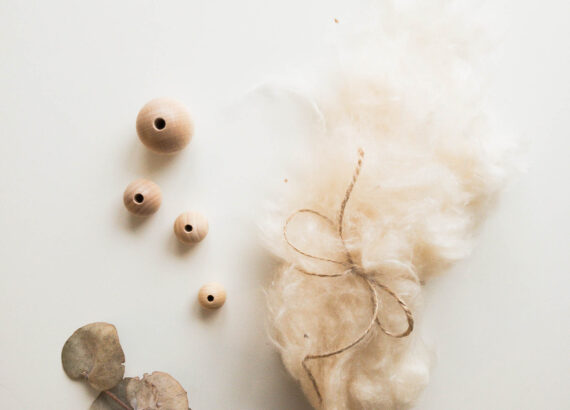
Texture plays a crucial role in conveying the relaxed and organic feeling central to this look. Rough-hewn wood, weathered metal, and natural fibers are all key components. Linen fabrics, jute rugs, and hand-thrown ceramics contribute to the overall tactile experience. Beyond the visual, the materials themselves should feel good to the touch – soft, comforting, and subtly imperfect. The emphasis is on authenticity and embracing the natural qualities of each material, rather than striving for polished perfection. This textural richness prevents the space from feeling sterile or cold, and invites a sense of warmth and intimacy. Careful consideration of material choices is essential to achieve this layered and inviting atmosphere.
| Material | Typical Application |
|---|---|
| Linen | Curtains, upholstery, bedding |
| Rattan | Furniture, baskets, lighting |
| Seagrass | Rugs, wall coverings |
| Driftwood | Decorative accents, sculptures |
Incorporating these materials doesn’t necessitate a complete overhaul of a space. A few well-chosen pieces, strategically placed, can be enough to introduce this aesthetic. For example, a rattan chair in a living room, a linen throw blanket, or a vase filled with dried grasses can begin to evoke the desired mood.
Color Palettes and Their Psychological Impact
The color palette associated with this aesthetic is deeply rooted in the natural environment. Blues and greens, reminiscent of the ocean and coastal vegetation, dominate, but are often muted or softened with sandy neutrals and whites. This creates a calming and serene atmosphere, promoting a sense of relaxation and well-being. The use of lighter shades helps to maximize natural light and create a sense of spaciousness. However, don’t be afraid to introduce pops of color – coral, terracotta, or even shades of ochre can add warmth and personality. The key is to maintain a balance, ensuring the overall effect remains calming and cohesive. Subtle variations within the palette – layering different shades of blue or green, for example – can add depth and visual interest.
The Power of Muted Tones
Muted tones are essential for creating the understated elegance that defines this style. These colors aren’t jarring or attention-grabbing; they blend seamlessly with the surrounding environment, creating a harmonious and inviting space. Think of the way the sun washes out colors over time, creating a soft, faded effect. This is the aesthetic that designers are aiming to recreate. Utilizing techniques like limewashing or distressing furniture can enhance this effect. The result is a space that feels both timeless and effortlessly chic, avoiding the pitfalls of trend-driven, fleeting styles. This focus on longevity and lasting appeal is a hallmark of the design.
- Embrace variations of blue – from deep navy to pale cerulean.
- Incorporate sandy beige and warm whites for a neutral base.
- Add subtle pops of color with coral, terracotta, or ochre.
- Layer different textures and materials to add depth.
- Prioritize natural light to enhance the airy and inviting feel.
Understanding the psychological impact of color is also important. Blues and greens are known to be calming and restorative, while neutrals create a sense of balance and stability. By carefully selecting and combining colors, you can create a space that not only looks beautiful but also promotes a sense of well-being.
Incorporating the Aesthetic into Different Spaces
The beauty of this design approach lies in its versatility. It can be seamlessly integrated into a variety of spaces, from bedrooms and living rooms to kitchens and bathrooms. In a bedroom, focus on creating a calming sanctuary with soft linens, muted colors, and natural materials. In a living room, use woven textures, comfortable seating, and plenty of natural light to create a relaxed and inviting gathering space. Kitchens can benefit from the addition of open shelving, natural wood accents, and a neutral color palette. Bathrooms can be transformed into spa-like retreats with the use of natural stone, soft lighting, and calming colors. The key is to adapt the aesthetic to the specific needs and characteristics of each space, rather than trying to force a rigid template.
Adapting to Urban Environments
Even in urban environments, far removed from the coast, it’s possible to capture the essence of the aesthetic. This can be achieved through strategic use of color, texture, and accessories. Bring the outdoors in with potted plants, displayed seashells, or artwork depicting coastal scenes. Focus on creating a sense of openness and airiness, even in smaller spaces. Utilizing mirrors to reflect light and maximizing natural light sources are crucial. The goal is to create a space that feels like a peaceful escape from the hustle and bustle of city life, a quiet sanctuary that evokes the serenity of the sea.
- Start with a neutral color palette.
- Incorporate natural materials like wood, linen, and seagrass.
- Add pops of color with coastal-inspired hues.
- Maximize natural light and ventilation.
- Focus on creating a relaxed and inviting atmosphere.
Remember that this isn’t about slavishly copying a specific look, but about capturing a feeling. It’s about creating a space that feels authentic, comfortable, and reflective of your personal style.
The Influence on Fashion and Beyond
The influence of this aesthetic extends far beyond interior design. In the fashion world, we see it manifesting in flowing silhouettes, natural fabrics like linen and cotton, and a color palette inspired by the sea and sand. Think of breezy summer dresses, oversized knits, and comfortable sandals. The emphasis is on effortless style and relaxed sophistication, mirroring the overall philosophy of the design aesthetic. This trend also spills over into other creative fields, such as photography and graphic design. Images often feature sun-drenched landscapes, muted colors, and a focus on natural textures. There is a clear through line connecting all these influences.
The Enduring Appeal and Future of the Style
The enduring appeal of this aesthetic lies in its ability to tap into our innate longing for connection with nature and a simpler way of life. In an increasingly fast-paced and technology-driven world, the desire for tranquility and escapism is stronger than ever. This style offers a respite from the chaos, a chance to reconnect with ourselves and the natural world. Looking ahead, we can expect to see this aesthetic continue to evolve, with a growing emphasis on sustainability and mindful living. The trend towards incorporating recycled materials, supporting local artisans, and minimizing environmental impact will undoubtedly shape the future of this style. The potential for incorporating new technologies to enhance the feeling of wellbeing is also an intriguing direction. This isn’t a fleeting trend; it’s a reflection of fundamental human needs and desires, ensuring its longevity and continued influence on the world of design and beyond.
It is likely we will see a growing demand for spaces that prioritize calm and connection. The design principles associated with this aesthetic will likely become increasingly integrated into mainstream design practices, influencing everything from new construction to renovation projects. By focusing on natural materials, soothing colors, and creating a sense of openness and light, we can create environments that nurture our well-being and promote a more balanced lifestyle – spaces that echo the peaceful rhythm of luckywave.