Repairing Your Marriage After Substance Abuse Treatment

“If I’ve had a great day and I’m really positive, it’s fine. If I get a whiff of that red wine and I’m having a day where I’m feeling less than, it’s not that I want to drink the wine, but I get this little pang of nostalgia,” said Stephens. One of the ways that a partner can support a person in recovery is to simply have faith in them. These days, it’s easier for her to pass when others are drinking. “We were at a party recently, and this guy came out with a tray of shots and was like, ‘Everybody take a shot!
Mental Effects
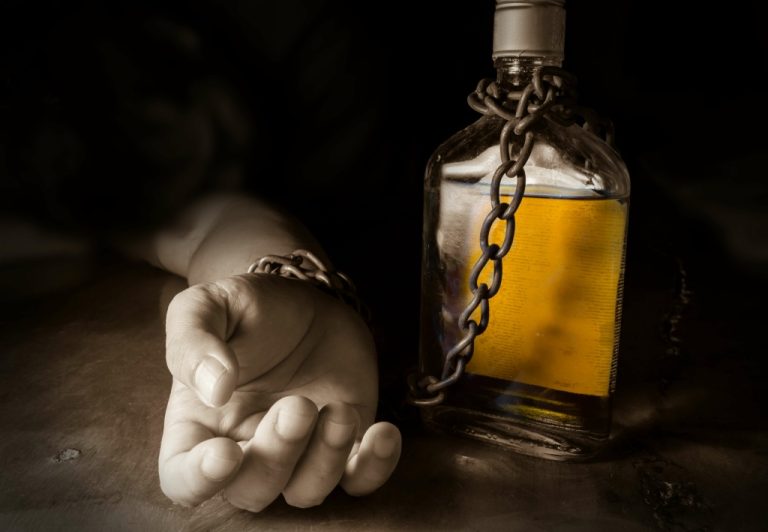
But there are times when in sickness and in health is not a vow worth keeping, especially if it means losing your humanity. I had to put my health, my happiness, and my daughter first. I told my then-husband I had to stop drinking if I was to get back on track with my life goals. The depression I’d suffered as a teen was creeping back into my DNA, and I feared, as an adult, I’d have even less of a chance of surfacing if it were to take me under again.
How to Set Up for a Successful Drug Intervention
Alcohol Use treatment from Gateway Foundation offers patients the chance to better their health and wellbeing. Both the person recovering from addiction and their partner need time to heal from the negative impacts addiction had on their relationship. As the person in recovery, do not expect broken trust with your partner to immediately return. As their partner, understand that you need to give yourself time to heal; patience with yourself and your spouse is key. At the same time, don’t give up hope—if both of you are truly committed to saving your marriage, building a new and healthy relationship is possible. Getting your marriage back on track after sobriety won’t be easy, but it can be done with hard work, patience, and communication.
- If you’re going to work on your relationship with your spouse, you have to first work on your relationship with yourself.
- The quality substance use treatment programs available at Gateway are designed to help our patients stop these effects in their tracks.
- Running away from what caused mental and emotional pain — whether it be a dead-end job or a relationship at the crest of its honeymoon phase — was the only way I knew how to cope.
- You’re not alone—many newly sober couples struggle to reconnect.
Sexual intimacy usually mirrors the lack of emotional intimacy, particularly with alcoholism and often with drug use, as well. It’s important for both partners to seek professional help and support during the recovery process. Open communication, rebuilding trust and intimacy, and ongoing support are key factors in maintaining a healthy marriage after rehab.
The drinking partner has a healthy relationship with alcohol, and its role in their life is insignificant.
Drug addiction and SUD are serious conditions and deserve careful, professional treatment to support the person with the diagnosis as well as their loved ones. Enabling is a complex behavior, but common in marriages marriage changes after sobriety in which one or both spouses struggle with drug addiction. When one partner makes it possible for the other to misuse substances without facing the consequences, they’re “enabling” unhealthy behaviors. The person has a hard time fending off urges to re-indulge in substance abuse daily.
- Addiction is considered both a brain disorder and a mental illness caused by the repeated misuse of a substance or substances.
- Plan date nights, attend your children’s after-school activities, and leave your partner notes to show them you care.
You may consider individual therapy or a peer-led support program like Al-Anon. But for most couples experiencing substance use, life after sobriety isn’t so smooth. This is because of the way long-term substance use has affected both partners as well as the relationship itself. Codependency can also cause the non-addicted partner to unwittingly enable unhealthy behaviors, which may encourage substance use and addiction. If your partner is recovering from addiction, the process can come with challenges, and it may take time to cope with those challenges, but you’re https://ecosoberhouse.com/ not alone. Depressants impact a person’s ability to control their coordination and concentration.
Take a Self-Test for Drug or Alcohol Addiction
Often, there is a “honeymoon” period when they’re on their best alcohol rehab behavior and reaffirm their love and commitment. After all that they’ve been through together, they have high hopes for a rosy future and easier times ahead. Yet, sobriety destabilizes the status quo, and the longer partners are together, the more their patterns become entrenched. In new sobriety, couples don’t really know how to talk to one another. It’s a rocky transition in the marriage or relationship that presents many challenges. Another big challenge of being married to someone who is not sober is avoiding codependency.
Many people go on to live fulfilling, addiction-free lives, especially when they remain committed to their growth and healing. In most marriages, there are times when one partner may need more support or leniency than the other, especially during times of personal turmoil and change. This natural ebb and flow can be a byproduct of a healthy, mutually supportive marriage. Drug addiction, also called substance use disorder (SUD), is a complex and often misunderstood condition. Remember, recovery isn’t just about ceasing alcohol consumption—it’s about regaining trust, mending relationships, and reaffirming commitments. With resilience, support, and the right tools, marriages can not only survive alcoholism, they can emerge stronger from the experience.
The researchers looked at the transition to telephone and video technologies for delivering treatment for SUDs. These results are promising and align with related studies, which suggest that outpatient SUD treatment delivered via videoconferencing has similar effectiveness to in-person care. Social drinking is typically characterized by moderate alcohol consumption in a social setting without causing harm to the drinker or others around them. Binge drinking, on the other hand, is defined as drinking to the point of intoxication, often leading to risky behavior but doesn’t necessarily mean the person has AUD. One is selfish, needy, vulnerable, and used to being given, while the other is over-responsible self-sufficient, and loves by providing. Sobriety topples these roles, and the partners realize they don’t even know how to talk to each other.
]]>- Brighton has curated this ready-to-wear set from their Amulet Collection just for you.
- Explore our newest Sobriety Gifts, designed to serve as lasting reminders of your strength and progress.
- Searching for sobriety gifts to motivate a loved one to get help?
- Sober people enjoy a good drink too, and mocktails allow them to participate in social events without feeling excluded.
Blossom Recovery Medallion
Through working a program, I learned that tangible things will never make me happy. The gifts I needed to become happy, joyous, and free couldn’t be bought, sold, or stolen. The gifts I needed could only be given to me by steadfast work in a program of recovery, through self-improvement, through giving freely of myself and helping others in need. In short, the only gifts I needed were the gifts of recovery.
What are the biggest benefits or gifts of sobriety for you?
Or a Alcoholics Anonymous camping or road trip (without booze); concerts and musicals and movies. With these cards, you help the recovering addict eliminate any excuses for not starting on the fitness journey. This is a great way to get a recovering addict started on getting and staying fit.
Addiction Therapist: What They Do & How to Find the Right One
- Start their day off with a recovery mug that celebrates their sobriety journey.
- You can make it more fun by making out time and playing the games with them.
- I’d rather live without fear and have no money, than to live with money and still be afraid.
You can order mugs with funny quotes, socks with funny messages, and shirts with funny sobriety quotes. Does your loved one want to learn a new skill like painting, cooking, or carpentry? Or perhaps they’ve always been interested in learning web design or coding? This is a great way for your loved ones to learn something new to enrich their lives. You can find classes in your area that cover various skills. Maybe get their favorite player’s jersey, buy tickets to a concert, get them a new bike, or whatever they love!
What are the Stats On Rehab and Recovery?
It gives wonderful ideas of simple but effective exercise and fitness activities to get started on the fitness journey. This is good because if the recovering addict has no idea of what to do to stay fit or is feeling lazy to research it, they have a handy resource tool. When he/she does not feel like picking up the album, they have the box staring right back at them, reminding them that they are awesome and they got this, they can do this. A truly thoughtful and beautiful gift to give a recovering addict.

Carnelian Crystal Bracelet with Matching Recovery Chip
Places like hotels and bars gifts of sobriety for example are not good for a recovering alcoholic. Going for a run is the easiest way to get started on being fit. It is also the easiest fitness activity that anyone can do. It would keep them distracted and focused at the same time. You can encourage them to get started by buying them a pair of very comfortable running shoes.
]]>The Role of Diagnostic Labs in Healthcare System: Sample Collection to Technological Advancements
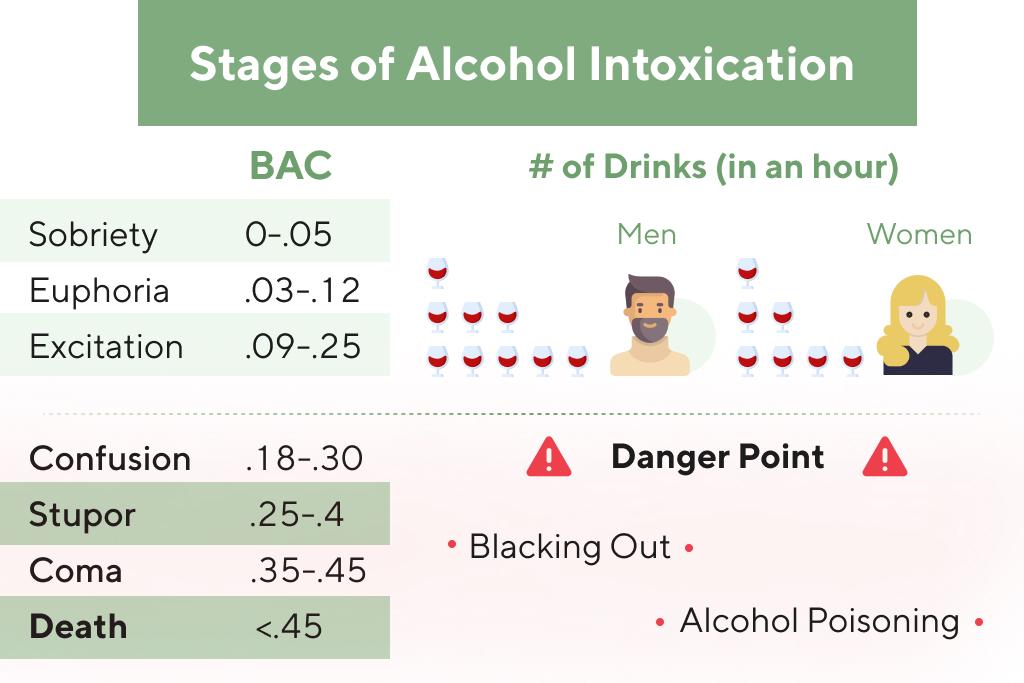
It also includes binge drinking — a pattern of drinking where a male has five or more drinks within two hours or a female has at least four drinks within two hours. Your doctor has medicines for liver and kidney disease, HIV, and cancer. If a drug caused ecchymosis, you may need to stop taking it or change medicines.
- What all of this means is that people who live with an alcohol use disorder are likely to consume large quantities of alcohol.
- They may also recommend imaging tests like an MR elastogram that checks for scarring in the liver or an MRI of the abdomen, CT scan or an ultrasound.
- As a result, you may find yourself having frequent sore throat pains, catching colds and infections more often.
- For most individuals, moderate alcohol consumption does not significantly increase the risk of bruising.
Is Alcohol and Swelling and Alcohol and Inflammation Always Synonymous With One Another?
Certain alcoholic beverages, such as red wine, reduce inflammation because it contains tannin, which has anti-inflammatory properties. Inflammation is defined as the body’s reaction to an injury or condition. This way of responding is meant to protect the area of the body affected and remove any harmful stimuli (such as alcohol) from the area.
How Can I Reduce Bruising After Drinking?
A skin rash from alcohol liver damage can develop when toxins build up in the bloodstream. Severe, persistent itching is often linked to liver disease symptoms. This article will break down 14 key signs of liver damage, how they affect the body when to seek medical help, and alcohol and bruising what to do if you suspect alcohol is impacting your health. Another impact that alcoholism has on the skin is that individuals who drink heavily are more prone to infections. Even just a single drink reduces immune function, which can become worse when you drink regularly, placing you at risk of skin infections. Alcohol can directly impair your immune system but can also do so indirectly if you develop deficiencies of vitamin C and zinc, both of which help to maintain a strong immune system.
Q12: Are there any topical treatments that can help speed up bruise healing?
- While some people may have just a drink or two on special occasions, people with an alcohol use disorder may lose control of their drinking, and consume ten or more drinks, for example.
- When someone hits you — or you bump into something hard — it can break the small blood vessels beneath your skin.
- This is of particular concern when you’re taking certain medications that also depress the brain’s function.
- It’s essential to address any concerns with a healthcare professional.
- Severe cases of alcoholic hepatitis can result in fluid accumulating in the abdomen, organ failure, and changes in behavior and cognition.
Moderate amounts of alcohol usually will not affect a normally functioning liver or lead to alcohol-related liver disease (ARLD). The liver is an integral part of the body, filtering blood, detoxifying chemicals, and metabolizing drugs. The liver has over 500 functions in the body, including breaking down about one alcoholic drink per hour. As one of the most critical organs in the body, the liver is usually low maintenance, operating quietly and efficiently. The liver becomes noticeable only when something of grave concern happens, like a severe condition or illness. If you’re concerned about your risk of cirrhosis, talk to your doctor.
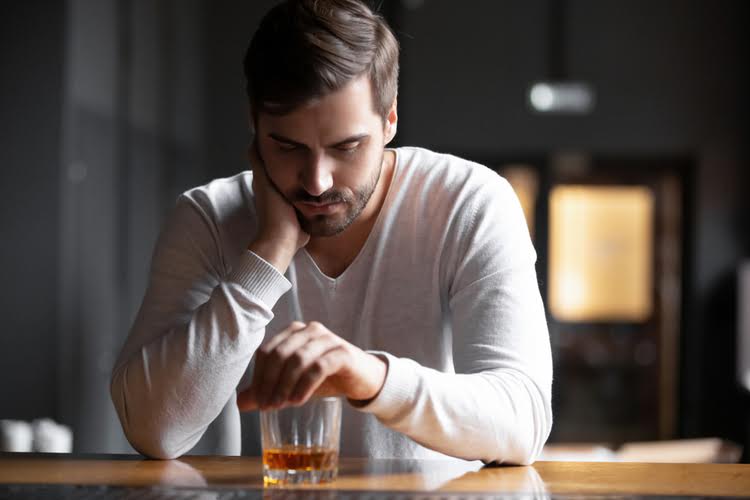
In short, alcohol may increase your risk of experiencing gastritis and digestive symptoms. The problem is drug addiction treatment that alcohol is a wellspring of empty calories—which are calories with minimal nutritional value. Hence, consuming alcohol as your primary source of fuel will lead to poor nutrition and weight loss. All factor levels were low, except for factor VIII, which is produced outside the liver, hence suggesting a primary pathology of the liver.
]]>